01
Drinking Water & Fluids (10-Day Supply) 2 Punkte02
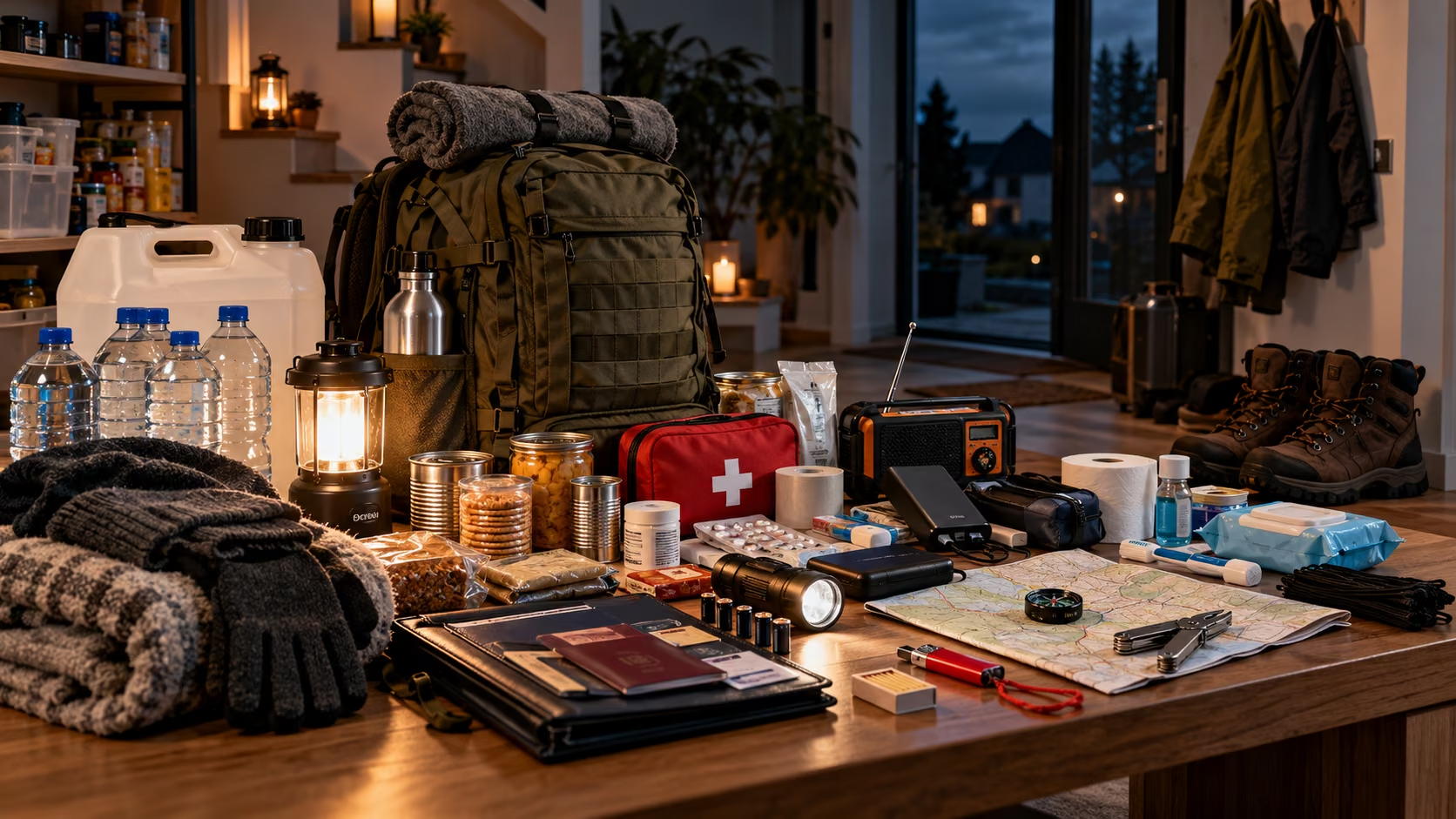
Non-Perishable Food (No Refrigeration Needed) 6 PunkteStock up on dry staples like pasta, rice, couscous, oats, and flour Keep long-life bread, crispbread, crackers, or tortilla wraps in the cupboard Store potatoes (in a cool, dark place) or instant mashed potato powder Tinned vegetables and pulses (e.g. sweetcorn, peas, lentils, chickpeas, kidney beans) Tinned or jarred ready meals that can be eaten cold if needed (e.g. stews, soups, ravioli) Tinned meat and fish (e.g. tuna, sardines, corned beef, hot dogs in jars) Long-life sauces such as pesto, passata, and tomato purée Tinned or jarred fruit and apple sauce Nuts, seeds, and dried fruit as compact high-energy snacks Cooking oil, clarified butter (ghee), or other long-life fats Non-perishable spreads like honey, jam, peanut butter, or chocolate spread Hard cheese (waxed or vacuum-packed) and dry-cured sausage or whole salami Dried egg powder or milk powder for long shelf life without refrigeration Salt, sugar, stock cubes, and essential everyday spices High-energy comfort foods like chocolate, biscuits, cereal bars, and glucose sweets Keep at least a 2-week supply of baby food, special dietary items, or pet food in stock 03
Cooking Without Electricity 3 Punkte04
Power Cuts, Lighting & Warmth 5 PunkteGood LED torch and at least one head torch (to keep your hands free) Battery-powered or solar camping lantern to light up a room Stock plenty of spare batteries (AA, AAA) or fully charged rechargeable batteries High-capacity, fully charged power bank (at least 20,000 mAh) for phones and small devices Consider a folding solar panel or portable power station for extended blackouts Tea lights, household candles, and safe, fireproof candle holders Warm wool blankets, sleeping bags, and roll mats in case the heating fails in winter Warm indoor layers (thermal base layers, thick wool socks, fleece jumpers) Check your carbon monoxide detector and smoke alarms (especially when using alternative heat sources) 05
Information, Communication & Cash 4 Punkte06
Home Medical Kit & First Aid 5 PunkteKeep at least a 2- to 4-week supply of essential prescription medication in stock Complete first aid kit (bandages, sterile dressings, triangular bandage, foil emergency blanket) Painkillers and fever reducers (e.g. ibuprofen, paracetamol) for adults and children Diarrhoea, anti-nausea, and stomach medication plus oral rehydration salts Antiseptic wound spray/wipes and antiseptic healing cream Assorted plasters, blister plasters, and waterproof medical tape Thermometer, tweezers, splinter tweezers, and medical scissors Instant cold packs (the type that doesn't require a freezer) Allergy medication (antihistamines), bite/sting relief, and sunburn gel Check the expiry dates in your medical kit at regular intervals 07
Hygiene Without Running Water 3 Punkte08
Home Safety & Tools 1 Punkte09
Emergency Document Folder (Grab-and-Go) 4 PunktePassports, driving licences, and national ID cards (originals or certified copies) Birth certificates, marriage certificate, family register, and will (originals) Health cards (e.g. NHS details / GHIC), vaccination records, repeat prescriptions, and allergy cards Bank cards, credit cards, and part of your emergency cash reserve Copies of key contracts and insurance policies (buildings, contents, life, and liability insurance) Copies of property deeds, tenancy agreement, vehicle logbook (V5C), and qualification certificates Copies of power of attorney and living will / advance healthcare directive Back up scans of all key documents and family photos on an encrypted USB drive or in the cloud 10
The Grab Bag / Bug-Out Bag (48–72 Hours) 4 PunkteSturdy, comfortable rucksack (keeps your hands free during an evacuation) Water bottle (1.5 to 2 litres) and high-calorie emergency rations (e.g. energy bars, nuts) for 2 days Personal medication for several days and a compact first aid kit Change of clothes (underwear, socks, T-shirt), warm jumper, and waterproof jacket Keep sturdy, worn-in shoes or boots right next to your grab bag Lightweight sleeping bag or emergency bivvy bag and a small travel pillow Head torch, small pocket knife / multi-tool, lighter, and emergency whistle Fully charged power bank with the right charging cable for your smartphone Mini washbag (toothbrush, travel toothpaste, wet wipes, tissues, hand sanitiser) FFP2/N95 respirator mask or dust mask (in case of smoke or dust) Spare glasses or contact lens supplies For children: neck pouch with SOS contact details plus a small cuddly toy or game For pets: pet passport/records, lead, muzzle or carrier, collapsible bowl, and food for 2–3 days ✓ KLEINER TIPP, GROSSE HILFE
Build up your emergency pantry gradually during your normal weekly shop: simply pick up two or three extra non-perishable items like pasta, tinned food, or bottled water each time you go to the supermarket. Set a recurring reminder in your calendar twice a year (for example, when the clocks change in spring and autumn) to check expiry dates, top up your power banks, and rotate the medication in your grab bag.
DEIN NEWSLETTER für Home & Household Mehr gute Pläne für dich. Neue Checklisten und praktische Tipps rund um Home & Household – direkt in dein Postfach.
Fast geschafft! Prüfe jetzt dein E-Mail-Postfach und bestätige deine Anmeldung.